Grade 2 reading comprehension builds upon foundational skills, utilizing PDF resources to enhance understanding. It’s a crucial step, fostering a love for reading and learning.
Today, November 29, 2025, resources are readily available online, including those focused on gaming and entertainment platforms, mirroring growth and engagement.
What is Reading Comprehension?
Reading comprehension, at its core, is the ability to process text, interpret its meaning, and derive understanding. For Grade 2 students, this means moving beyond simply decoding words to actively engaging with the content. It involves identifying key ideas, understanding the sequence of events, and making connections to prior knowledge.
Utilizing Grade 2 reading comprehension PDFs provides structured practice; These resources often present short passages followed by questions designed to assess understanding. The focus isn’t just on what the text says, but what it means.
Interestingly, the rapid growth of online platforms, like those mentioned on November 29, 2025, demonstrates a similar need for processing information and understanding complex systems – mirroring the cognitive skills developed through reading comprehension.
Why is it Important in Grade 2?
Reading comprehension in Grade 2 is foundational for future academic success. Strong comprehension skills directly impact performance across all subjects, not just language arts. Students who can understand what they read are better equipped to learn new concepts and solve problems.
Grade 2 reading comprehension PDFs offer targeted practice, building confidence and fluency. These resources help students develop critical thinking skills, such as making inferences and identifying the main idea.
The surge in online gaming and entertainment platforms, noted on November 29, 2025, highlights the importance of interpreting information – a skill honed through reading comprehension. Successfully navigating these platforms requires understanding rules and strategies, mirroring the skills developed through reading.

Key Skills for Grade 2 Reading Comprehension
Grade 2 PDFs target phonological awareness, phonics, vocabulary, and fluency. These skills, alongside critical thinking, are vital for decoding and understanding text effectively.
Online platforms demonstrate rapid growth, mirroring the need for adaptable learning resources.
Phonological Awareness
Phonological awareness, a cornerstone of early literacy, focuses on recognizing and manipulating the sounds within words. Grade 2 reading comprehension PDFs often include activities designed to strengthen this skill, such as rhyming exercises, syllable segmentation, and identifying initial and final sounds.
These PDF resources help students develop the ability to hear and work with phonemes – the smallest units of sound – which is crucial for decoding unfamiliar words. Activities might involve blending sounds to form words or breaking words down into individual sounds.
The increasing popularity of online gaming platforms, as seen in recent trends, highlights the importance of engaging and adaptable learning materials, much like these targeted PDF exercises.
Strong phonological awareness directly impacts a child’s ability to read fluently and comprehend what they read.
Phonics
Phonics instruction, closely linked to phonological awareness, teaches the relationship between letters and sounds. Grade 2 reading comprehension PDFs frequently incorporate phonics-based activities to reinforce these connections, aiding in decoding and spelling skills.
These PDF resources might feature exercises focusing on specific vowel teams, consonant blends, or digraphs. Students learn to apply these sound-letter correspondences when reading passages and answering comprehension questions. Mastering phonics is essential for building reading fluency and accuracy.
Similar to the rapid growth observed in online gaming and entertainment platforms, effective phonics instruction requires dynamic and engaging materials.
Consistent practice with phonics, using targeted PDF worksheets, helps students become confident and independent readers.
Vocabulary Development
Vocabulary development is intrinsically tied to grade 2 reading comprehension. PDF worksheets often include sections dedicated to defining new words encountered within reading passages. These exercises help students expand their lexicon and improve their understanding of text.
Effective PDF resources utilize context clues, synonyms, and antonyms to aid in vocabulary acquisition. Activities might involve matching words to definitions, using new words in sentences, or identifying the meaning of words based on the surrounding text.
Just as platforms like KICK experience growth through user engagement, vocabulary expands through consistent exposure and practice.
A robust vocabulary empowers students to tackle more complex texts and enhances their overall reading comprehension skills.
Fluency
Fluency, the ability to read accurately, quickly, and with expression, is vital for grade 2 reading comprehension. PDF worksheets can support fluency development through repeated readings of passages. These passages are often designed with age-appropriate vocabulary and sentence structures.
Many PDF resources incorporate timed readings to help students track their progress and build speed. Focusing on prosody – the rhythm and intonation of reading – is also crucial. Students should practice reading aloud to improve expression.
Similar to the rapid growth of platforms like KICK, fluency improves with consistent practice and engagement.
Enhanced fluency frees up cognitive resources, allowing students to focus on understanding the meaning of the text rather than decoding individual words.

Types of Reading Comprehension Questions for Grade 2
Grade 2 reading comprehension PDFs often include questions testing literal recall, inferential thinking, and evaluative skills, mirroring online platform engagement.
Literal Questions (Right There)
Literal questions in Grade 2 reading comprehension PDFs are directly answered within the text itself. Students find the answer “right there,” requiring simple recall and close reading skills. These questions often begin with “who,” “what,” “where,” and “when,” prompting children to locate specific details.
For example, a PDF passage about a dog might ask, “What color is the dog?” or “Where did the dog go?” The answer is explicitly stated in the text. Mastering these questions builds confidence and lays the groundwork for more complex comprehension. Like finding information on growing platforms, the answer is readily available if you know where to look!
These questions are foundational, ensuring students can accurately extract information before moving onto inferential or evaluative tasks.
Inferential Questions (Think and Search)
Inferential questions within Grade 2 reading comprehension PDFs require students to “read between the lines.” Unlike literal questions, the answer isn’t directly stated; instead, children must combine information from the text with their own knowledge. These questions often start with “why” or “how,” prompting deeper thinking.
For instance, a passage describing a sad character might ask, “How do you think the character is feeling?” Students must infer the emotion based on clues in the text. Similar to navigating a rapidly growing online platform, it requires searching and connecting pieces of information.
Successfully answering these questions demonstrates a higher level of comprehension and critical thinking skills.
Evaluative Questions (On My Own)
Evaluative questions in Grade 2 reading comprehension PDFs represent the highest level of thinking. These questions ask students to form opinions and judgments about the text, going beyond simply understanding what happened to analyzing why it matters. They require personal connections and reasoned arguments.
Examples include, “Do you think the character made a good choice?” or “What would you have done differently?” Much like evaluating a new gaming platform’s appeal, students must weigh evidence and express their own perspective.
These questions encourage critical analysis and demonstrate a student’s ability to think independently and support their ideas.

Finding Grade 2 Reading Comprehension PDFs
Grade 2 reading comprehension PDFs are abundant online, accessible through websites, educational platforms, and teacher resources – mirroring the growth of digital content today.
Popular Websites Offering Free PDFs
Numerous websites provide free Grade 2 reading comprehension PDFs, catering to diverse learning needs. Education.com and K5 Learning are excellent starting points, offering a wide range of passages and accompanying questions. These resources often categorize materials by reading level and skill focus, simplifying the search process.
Reading Comprehension Strategies and similar sites curate collections from various sources, providing a convenient hub for teachers and parents. Additionally, many school district websites offer downloadable PDFs aligned with their curriculum. Remember to preview materials to ensure they align with your specific instructional goals. The digital landscape, much like rapidly growing gaming platforms, offers expanding access to educational tools.
Always check for copyright information and terms of use before distributing or modifying any downloaded PDF.
Educational Resource Platforms
Platforms like Teachers Pay Teachers host a vast collection of Grade 2 reading comprehension PDFs, often created by experienced educators. These resources range from free samples to paid, comprehensive units, offering diverse options to suit different budgets and needs. IXL, while subscription-based, provides interactive reading comprehension exercises and tracks student progress.
Twinkl is another popular platform with a wealth of printable and digital resources, including numerous reading passages and question sets. These platforms frequently update their content, mirroring the dynamic growth seen in online gaming and entertainment projects. Remember to review user ratings and previews before purchasing or downloading any materials.
Consider the alignment with learning standards and the specific skills you aim to reinforce.
Teacher-Created Resources
Many teachers share Grade 2 reading comprehension PDFs on their personal blogs or through collaborative online communities. These resources often reflect real classroom experiences and cater to specific student needs. Websites like ReadWorks offer curated sets of passages and accompanying questions, frequently developed by educators.
Pinterest is a treasure trove for finding links to free, teacher-made PDFs, though quality can vary, so careful vetting is essential. The rapid growth of online platforms, similar to gaming communities, highlights the power of sharing and collaboration. Always check for copyright permissions before redistributing any teacher-created materials.
Focus on resources that align with your curriculum and learning objectives.

Strategies for Using Grade 2 Reading Comprehension PDFs
Utilize Grade 2 PDFs by previewing texts, discussing vocabulary, and encouraging active reading. Post-reading discussions and activities solidify comprehension skills effectively.
Online platforms demonstrate rapid growth, mirroring the need for engaging educational resources.
Pre-Reading Activities
Before diving into Grade 2 reading comprehension PDFs, activate students’ prior knowledge. Brainstorming sessions centered around the topic can spark interest and build connections. Picture walks – examining illustrations within the PDF – offer clues about the story’s content and encourage predictions.
Vocabulary previews are essential. Introduce key words from the text, using definitions, synonyms, or visual aids. Think-Pair-Share activities allow students to discuss their initial thoughts and predictions with a partner.
Pose probing questions related to the title or cover image. For example, “What do you think this story will be about?” or “Who are the characters?” These activities set the stage for successful comprehension, mirroring the growth seen in online gaming platforms.
During-Reading Activities
While students engage with Grade 2 reading comprehension PDFs, encourage active reading strategies. Think-alouds, where the teacher models comprehension processes, are incredibly beneficial. Prompt students to pause and summarize sections, checking for understanding as they progress.

Highlighting key details or using sticky notes to mark important information reinforces focus. Encourage students to ask clarifying questions when encountering unfamiliar words or concepts. Partner reading allows for collaborative decoding and comprehension checks.
Relate the text to real-world experiences, similar to how online platforms foster user engagement. Prompt students to visualize the story and make connections, enhancing their overall understanding and enjoyment of the PDF material.
Post-Reading Activities
Following engagement with Grade 2 reading comprehension PDFs, solidify understanding through varied activities. Retelling the story in their own words demonstrates comprehension and sequencing skills. Encourage students to identify the main idea and supporting details, fostering analytical thinking.
Creative writing prompts, like alternative endings or character perspectives, extend learning. Discussion questions, prompting evaluative thinking, deepen engagement. Similar to online platforms encouraging user interaction, collaborative activities are key.
Graphic organizers, such as story maps or character webs, visually represent comprehension. Assess understanding through short quizzes or written responses, mirroring assessment tools found online.

Specific Skills Targeted in Grade 2 PDFs
Grade 2 PDFs focus on core skills: identifying main ideas, understanding characters, sequencing events, and making predictions – mirroring online platform engagement.
Identifying the Main Idea
Identifying the main idea within a text is a cornerstone skill for second graders, and Grade 2 reading comprehension PDFs frequently target this ability. These worksheets often present short passages followed by multiple-choice questions, prompting students to determine the central thought or message.
Effective PDF exercises will encourage children to distinguish between key details and supporting information. They learn to ask themselves, “What is this passage mostly about?” or “What does the author want me to know?”.
The increasing popularity of online platforms, like those mentioned – gaming and entertainment projects – demonstrates a similar principle: a central offering attracting user engagement; Similarly, a strong main idea attracts a reader’s attention.
Success relies on recognizing the topic sentence and summarizing the passage’s core message.
Understanding Character Traits
Grade 2 reading comprehension PDFs often include exercises focused on understanding character traits; These worksheets present stories and ask students to describe what characters are like, using adjectives like kind, brave, or sneaky.
Students learn to infer traits not explicitly stated, based on a character’s actions, words, and thoughts. PDF activities might ask, “How do you know the character is feeling sad?” or “What does this character’s behavior tell you about them?”
The rapid growth of online platforms, as seen with gaming and entertainment projects, mirrors how compelling “characters” (brands or streamers) attract audiences.
Developing this skill helps children build empathy and analyze motivations within narratives, fostering deeper comprehension and critical thinking.
Sequencing Events
Grade 2 reading comprehension PDFs frequently feature activities centered around sequencing events – putting story happenings in the correct order. These worksheets present scrambled scenes from a story, requiring students to number them logically (1, 2, 3, etc.).
Understanding sequence is vital for grasping plot and narrative structure. PDF exercises might include fill-in-the-blank sentences like, “First, _____. Then, _____. Finally, _____.” or visual timelines to complete.
Similar to how platforms like KICK experience a “sequence” of growth – initial launch, streamer onboarding, channel expansion – stories unfold in a specific order.
Mastering sequencing enhances recall, improves comprehension, and builds a foundation for retelling stories and writing narratives effectively.
Making Predictions
Grade 2 reading comprehension PDFs often include exercises designed to develop making predictions skills. These worksheets present a story excerpt and ask students, “What do you think will happen next?” or “How will the story end?”
This skill encourages active reading and critical thinking, prompting students to use clues from the text and their own experiences. PDF activities might offer multiple-choice options or require short written responses.
Like anticipating a streamer’s next move on a platform like KICK, predictions require observation and informed guessing. The growth of KICK itself was a prediction realized!
Successfully predicting outcomes boosts engagement and demonstrates a deeper understanding of the narrative’s cause-and-effect relationships.

Adapting PDFs for Different Learning Needs
Grade 2 reading comprehension PDFs can be modified! Simplify text for struggling readers or offer challenging extensions for advanced learners, ensuring inclusivity.
Similar to adapting to new gaming platforms, flexibility is key for optimal learning experiences.
For Struggling Readers
Grade 2 reading comprehension PDFs offer valuable support for students needing extra help. Focus on shorter passages with simpler vocabulary and sentence structures. Highlight key information within the text to draw attention to important details.
Break down questions into smaller, more manageable parts. Provide visual aids, like pictures or graphic organizers, to support understanding. Consider reading the passage aloud with the student, modeling fluent reading and comprehension strategies.
Pre-teaching vocabulary before reading can significantly improve comprehension. Encourage students to re-read sections they find challenging. Remember, patience and positive reinforcement are crucial for building confidence and fostering a love of reading, much like encouraging new users on evolving platforms.
For Advanced Readers
Grade 2 reading comprehension PDFs can be leveraged to challenge students who excel. Select passages with complex themes and richer vocabulary, encouraging critical thinking. Look for PDFs that include open-ended questions requiring detailed responses and justification.
Encourage students to analyze the author’s purpose and identify literary devices. Introduce activities like comparing and contrasting different texts on similar topics. Prompt them to create their own comprehension questions for peers.
Extend learning by having students write summaries, create alternative endings, or research related topics – mirroring the dynamic growth seen in online gaming communities. This fosters a deeper understanding and a continued enthusiasm for reading.
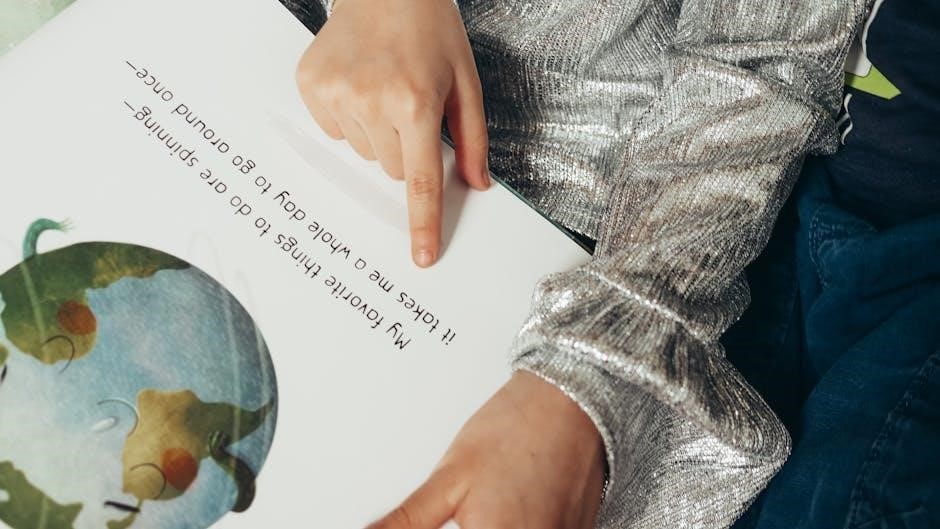
Creating Your Own Grade 2 Reading Comprehension Materials
Crafting materials, even inspired by dynamic platforms, allows tailored grade 2 reading comprehension PDFs. Focus on engaging content and targeted skill practice for optimal learning.
Using Existing Texts
Leveraging existing texts is a fantastic starting point for creating grade 2 reading comprehension PDFs. Think beyond traditional stories! Consider excerpts from informational texts, poems, or even engaging content found online – mirroring the growth of platforms like those offering gaming and entertainment.
Adapt these texts by adding targeted questions. Focus on skills like identifying the main idea, sequencing events, or understanding character traits. Remember to tailor the complexity to the reading levels of your students.
Don’t be afraid to modify the text slightly to better suit your comprehension goals. The key is to transform readily available material into a valuable learning resource, much like adapting a platform to user needs. Ensure the chosen text is age-appropriate and engaging for second graders.
Writing Original Passages
Crafting original passages for grade 2 reading comprehension PDFs allows for complete control over content and skill focus. Consider themes relevant to second graders – animals, friendship, school life, or even mirroring the excitement of growing online communities like gaming platforms.
Keep sentences concise and vocabulary accessible. Aim for a clear narrative structure with a defined beginning, middle, and end. Integrate opportunities for inferential thinking and prediction.
Remember to write with a specific comprehension skill in mind, such as character traits or sequencing. Like adapting a platform for user engagement, tailor the passage to maximize learning. Ensure the passage is engaging and sparks curiosity, fostering a positive reading experience.

Assessment and Tracking Progress
Grade 2 reading comprehension PDFs offer valuable assessment tools. Monitoring student performance reveals growth and areas needing support, mirroring platform user engagement tracking.
Using PDF Worksheets for Assessment
Grade 2 reading comprehension PDFs provide a convenient and cost-effective method for assessing student understanding. These worksheets typically include a variety of question types – multiple choice, short answer, and fill-in-the-blank – designed to evaluate different comprehension skills.
Teachers can easily print and distribute these PDF resources, and the answers can be quickly checked for accuracy. Analyzing patterns of correct and incorrect responses helps pinpoint specific areas where students may be struggling.
Similar to tracking user activity on growing platforms, consistent assessment with PDF worksheets allows educators to monitor individual student progress over time and adjust instruction accordingly. This data-driven approach ensures targeted support and maximizes learning outcomes.
Monitoring Student Growth
Grade 2 reading comprehension PDF worksheets facilitate consistent monitoring of student progress. Regularly administered assessments reveal growth patterns and identify areas needing focused attention. Tracking scores over time, much like observing the growth of online gaming platforms, provides valuable insights.
Teachers can utilize data from these PDF-based assessments to create individualized learning plans. Observing improvements in areas like identifying main ideas or sequencing events demonstrates comprehension skill development.
This ongoing monitoring, similar to tracking channel growth on platforms like KICK, allows for timely intervention and ensures each student receives appropriate support. Consistent use of PDF resources empowers educators to nurture a lifelong love of reading.