Patient bed positions significantly impact breathing‚ circulation‚ pain management‚ and healing; proper alignment is crucial for optimal outcomes and preventing secondary complications.
Effective patient positioning requires adherence to established principles and guidelines‚ safeguarding both the patient and the healthcare provider from potential injuries.
Current hospital protocols emphasize the importance of neutral alignment‚ avoiding extreme rotation or hyperextension‚ and minimizing pressure points during patient positioning.
Importance of Proper Positioning
Proper patient positioning is paramount in healthcare‚ extending beyond simple comfort to directly influence physiological functions and recovery trajectories. Maintaining optimal alignment supports effective respiration‚ enhancing lung expansion and oxygenation‚ particularly vital for patients experiencing respiratory distress.
Furthermore‚ correct positioning promotes healthy circulation‚ preventing venous stasis and reducing the risk of thromboembolic events. Strategic positioning can also alleviate pressure on vulnerable tissues‚ significantly minimizing the likelihood of pressure injury development – a major concern in prolonged bed rest.
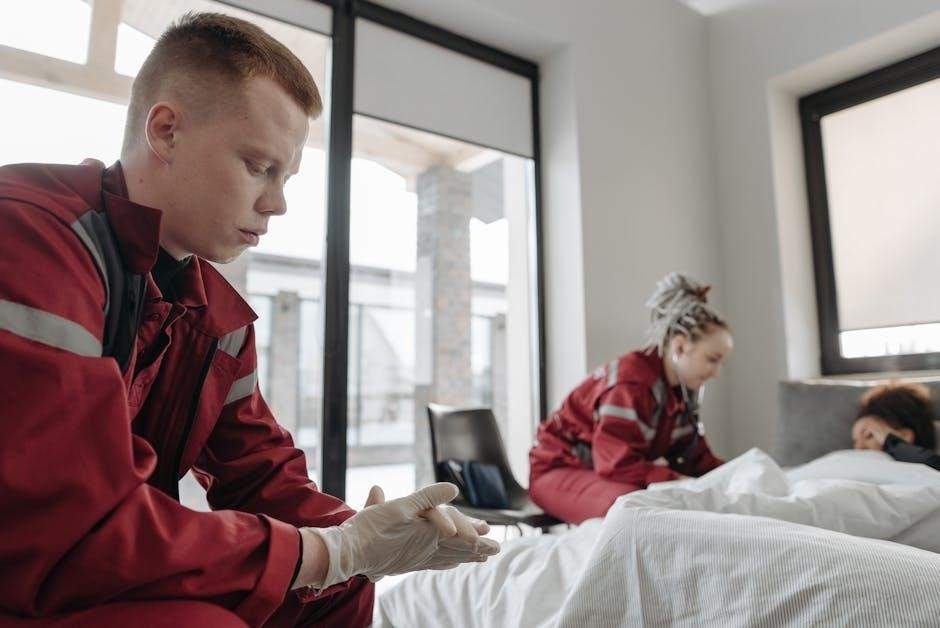
Surgical teams recognize that selecting a position maximizing surgical site access is crucial‚ but equally important is considering the patient’s overall well-being and minimizing potential complications. Adhering to AORN guidelines‚ like tilting knees and elevating heels‚ demonstrates a commitment to comprehensive patient care. Ultimately‚ meticulous positioning contributes to improved patient outcomes and a faster‚ more comfortable recovery.
Goals of Patient Positioning
The primary goals of patient positioning center around optimizing physiological function and preventing secondary complications associated with immobility and prolonged bed rest. A core objective is to maintain neutral body alignment‚ minimizing stress on joints‚ muscles‚ and the skeletal system‚ thereby reducing pain and discomfort.
Effective positioning aims to enhance respiratory efficiency by facilitating optimal lung expansion and gas exchange. Simultaneously‚ it strives to support cardiovascular function‚ promoting adequate circulation and preventing venous stasis. Crucially‚ a key goal is the prevention of pressure injuries through pressure redistribution and meticulous skin assessment.
Beyond these physiological aims‚ patient positioning seeks to maximize patient comfort and facilitate access for necessary medical interventions. Ultimately‚ the overarching goal is to create an environment conducive to healing‚ recovery‚ and an improved quality of life for the hospitalized individual‚ guided by established hospital policies.
Basic Patient Positioning Techniques
Fundamental techniques include supine‚ prone‚ lateral‚ Fowler’s‚ and Sims’ positions‚ each offering unique benefits and requiring specific considerations for patient safety and comfort.
Supine Position: Guidelines and Considerations
The supine position‚ where the patient lies flat on their back‚ is a foundational positioning technique frequently utilized in healthcare settings. AORN guidelines recommend a slight knee flexion – tilting the knees 5-10 degrees – to alleviate pressure on the lower back and maintain proper spinal alignment.
Heel elevation via a suspension device is also crucial to prevent pressure injuries and promote circulation. Maintaining neutral alignment is paramount‚ avoiding excessive lateral rotation or hyperextension of the limbs.
Careful attention must be paid to patients undergoing operative procedures; surgical teams should prioritize a position maximizing surgical site access while minimizing physiological stress. Regular assessment of skin integrity and circulatory status is essential when a patient is maintained in the supine position for extended periods.
Proper execution of these guidelines is vital to prevent both patient and nurse injury‚ ensuring a safe and comfortable experience.
Prone Position: Indications and Precautions
The prone position‚ involving a patient lying face down‚ is strategically employed to enhance respiratory function‚ particularly in cases of acute respiratory distress. This positioning facilitates improved lung expansion by utilizing gravity to assist with secretion clearance. However‚ it necessitates meticulous attention to several critical precautions.
Maintaining a neutral head position is paramount to avoid cervical strain and potential nerve injury. Regular assessment of facial skin integrity is crucial‚ as pressure points can quickly develop.
Circulatory compromise is a significant concern; careful monitoring of peripheral pulses and capillary refill is essential. Patients in the prone position require continuous observation to ensure adequate ventilation and oxygenation.
Contraindications include unstable spinal injuries and certain cardiovascular conditions. Proper padding and support are vital for patient comfort and safety.
Lateral Position: Right and Left Side Positioning
Lateral positioning‚ encompassing both right and left side lying‚ is a frequently utilized technique for various clinical indications‚ including post-surgical recovery and facilitating bowel movements. Proper execution demands careful attention to body alignment and pressure distribution.
When positioning a patient laterally‚ a slight flexion of the lower leg promotes hip and spine alignment‚ minimizing rotational stress. The upper leg should be flexed and supported with a pillow to prevent adduction and external rotation.
Regular turning between right and left sides is vital for pressure ulcer prevention‚ promoting circulation and preventing prolonged pressure on bony prominences.
Considerations differ based on the patient’s condition; for instance‚ patients with respiratory issues may benefit from positioning on their non-affected side to optimize lung expansion. Careful assessment and documentation are essential.
Fowler’s Position: Degrees and Benefits
Fowler’s position involves elevating the head of the bed‚ categorized by degrees of elevation: low-Fowler (15-30°)‚ semi-Fowler (30-45°)‚ and high-Fowler (60-90°). Each degree offers distinct physiological benefits tailored to patient needs.
Low-Fowler eases venous return and reduces workload on the heart‚ while semi-Fowler aids in promoting respiratory function by encouraging lung expansion. High-Fowler maximizes lung capacity‚ beneficial for patients experiencing dyspnea or respiratory distress.
This position also reduces the risk of aspiration by utilizing gravity. Pillows and supports are crucial for maintaining alignment and preventing skin breakdown.
Careful monitoring is essential‚ as rapid elevation can cause orthostatic hypotension. Proper assessment of the patient’s cardiovascular and respiratory status guides the appropriate degree of Fowler’s positioning.
Sims’ Position: Uses and Patient Safety
Sims’ position‚ a lateral position with the patient lying on their left side‚ is frequently utilized for enemas‚ rectal examinations‚ and during late pregnancy to promote venous return from the inferior vena cava.
This position alleviates pressure on the sacrum and promotes bowel elimination. A pillow is placed between the legs to maintain hip alignment and prevent pressure ulcers on bony prominences. The upper leg should be flexed less than the lower leg.
Patient safety is paramount; regular skin assessments are vital to prevent pressure injuries. Careful monitoring of circulation in the dependent leg is also crucial.
Ensure the patient’s airway remains open and that they are comfortable. Avoid this position in patients with recent hip replacements or significant cardiovascular instability. Proper documentation of the position and patient response is essential.
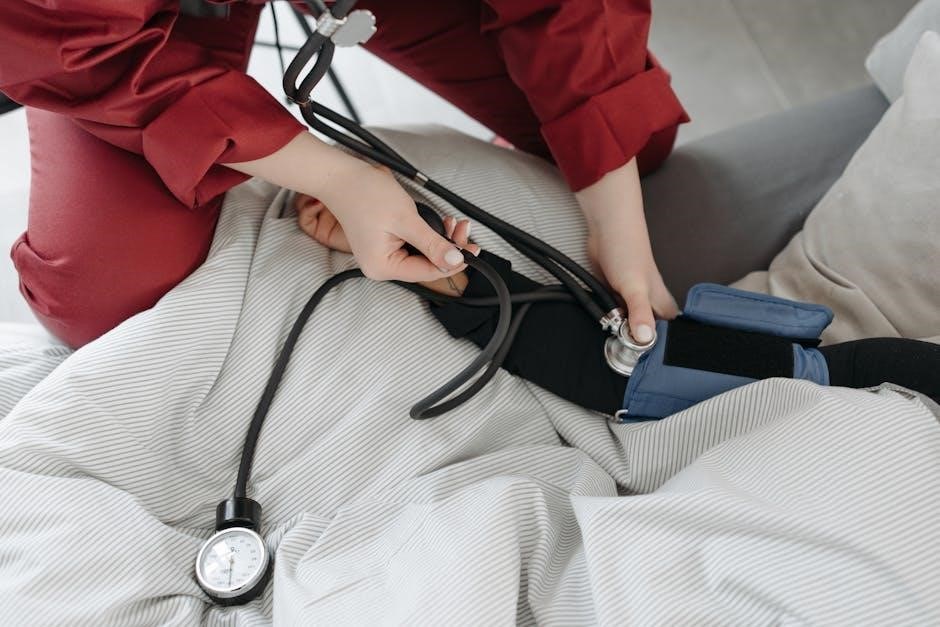
Advanced Positioning for Specific Conditions
Positioning strategies must adapt to individual patient needs‚ addressing respiratory distress‚ cardiovascular support‚ post-surgical recovery‚ neurological conditions‚ and pressure ulcer prevention.
Positioning for Respiratory Distress
Patients experiencing respiratory distress often benefit from specific positioning techniques designed to maximize lung expansion and ease breathing. Elevating the head of the bed‚ utilizing Fowler’s position‚ is a common practice‚ typically ranging from semi-Fowler’s (30-45 degrees) to high-Fowler’s (60-90 degrees).

This elevation reduces diaphragmatic pressure‚ allowing for greater lung capacity. However‚ careful consideration is needed‚ as excessive elevation can cause discomfort or even compromise circulation. The prone position‚ when appropriate and closely monitored‚ can also improve oxygenation by allowing better ventilation of previously collapsed alveoli.
Turning patients frequently‚ even those with respiratory compromise‚ remains vital to prevent atelectasis and pneumonia. Healthcare teams should continually assess the patient’s respiratory status and adjust positioning accordingly‚ ensuring comfort and optimizing breathing efficiency. Proper alignment and support with pillows are essential for maintaining the chosen position.
Positioning for Cardiovascular Support
Patient positioning plays a crucial role in supporting cardiovascular function‚ particularly in individuals with compromised circulatory systems. Generally‚ a supine or low-Fowler’s position (15-30 degrees) is preferred to minimize cardiac workload and promote venous return. Elevating the legs can further assist venous blood flow back to the heart‚ improving cardiac output.
However‚ for patients with heart failure‚ excessive leg elevation should be avoided as it can increase preload and exacerbate symptoms. Careful monitoring of vital signs is essential when adjusting positioning. Avoiding extreme positions‚ such as steep Trendelenburg‚ is also recommended‚ as they can negatively impact respiratory function.
Maintaining neutral alignment and preventing excessive twisting or straining are vital to reduce cardiac stress. Regular turning schedules are still important to prevent complications‚ but should be implemented cautiously‚ considering the patient’s cardiovascular status and tolerance.
Positioning for Post-Surgical Recovery
Patient positioning post-surgery is paramount for optimal healing and minimizing complications. Surgical teams should prioritize a position maximizing access to the surgical site while simultaneously supporting physiological needs. Following specific surgical procedures‚ certain positions are favored – for example‚ a supine or side-lying position after abdominal surgery.
Maintaining neutral body alignment is crucial to prevent undue stress on the incision and surrounding tissues. Pillows and supports are essential for maintaining this alignment and redistributing pressure. Frequent‚ gentle repositioning‚ as tolerated‚ is vital to prevent pressure injuries and promote circulation.
Careful consideration must be given to the patient’s pain levels and limitations when changing positions. Collaboration between nursing staff and the surgical team ensures appropriate positioning protocols are followed‚ contributing to a smoother recovery process.
Positioning for Pressure Ulcer Prevention
Patient positioning plays a critical role in preventing pressure ulcers‚ also known as bedsores. Regular repositioning – typically every two hours – is fundamental to relieve pressure on bony prominences. Utilizing pillows and supports to maintain proper alignment and offload pressure points is essential.
The supine patient benefits from having knees slightly flexed and heels elevated via suspension devices‚ as recommended by AORN guidelines. Side-lying positions require a pillow between the knees to prevent pressure on the greater trochanter.
High-risk patients‚ identified preoperatively‚ may benefit from vacuum-packed positioning devices. Consistent skin assessments‚ coupled with meticulous positioning‚ are vital components of a comprehensive pressure ulcer prevention strategy within hospital settings.
Positioning for Neurological Patients
Positioning neurological patients requires careful consideration of their specific deficits and potential complications. Maintaining a neutral alignment is paramount‚ avoiding excessive flexion or extension that could compromise the airway or exacerbate neurological symptoms.
The patient should provide guidance to team members regarding optimal positioning during operative and invasive procedures. Frequent assessment of neurological status and skin integrity is crucial.
For patients with altered consciousness‚ meticulous attention to pressure point management is essential to prevent pressure ulcers. Proper head elevation‚ as tolerated‚ can aid in venous drainage and reduce intracranial pressure.
Healthcare teams must prioritize safe patient handling and positioning techniques‚ ensuring the patient’s comfort and minimizing the risk of secondary injuries within hospital environments.
Equipment and Devices for Patient Positioning
Pillows and specialized supports are vital for maintaining alignment and pressure relief; vacuum-packed devices offer enhanced stability for perioperative patients at risk.
Use of Pillows and Supports
Pillows are fundamental tools in patient positioning‚ offering versatile support to maintain proper body alignment and reduce pressure on vulnerable areas. They can be strategically placed under the knees to alleviate lower back strain in supine positions‚ or between the legs when side-lying to prevent hip rotation and discomfort.
Various support devices complement pillows‚ including foam wedges for elevating specific body parts‚ bolstering devices for maintaining lateral stability‚ and heel suspension devices to prevent pressure ulcers. These supports distribute weight evenly‚ minimizing the risk of skin breakdown and nerve compression.
Careful consideration must be given to pillow and support selection based on the patient’s individual needs and the chosen position. Proper sizing and firmness are essential for effective support. Regular assessment of skin integrity and patient comfort is crucial when utilizing these devices‚ ensuring optimal outcomes and preventing complications.
Specialized Positioning Devices
Beyond standard pillows‚ a range of specialized devices enhance patient positioning‚ particularly for those at high risk of pressure injuries or requiring specific support post-surgery. These include gel pads and air-filled mattresses that redistribute pressure‚ minimizing skin breakdown and promoting circulation.
Vacuum-packed positioning devices offer precise support and immobilization during surgical procedures‚ maintaining alignment and preventing unwanted movement. Lateral assist devices facilitate safe and efficient side-lying positioning‚ reducing strain on both the patient and caregivers.

Furthermore‚ specialized positioning aids exist for neurological patients‚ supporting head and limb alignment to manage spasticity or prevent contractures. Selecting the appropriate device requires careful assessment of the patient’s condition‚ surgical site‚ and individual needs‚ ensuring optimal comfort and safety.
Vacuum-Packed Positioning Devices
Vacuum-packed positioning devices represent a significant advancement in perioperative care‚ offering precise and customizable support for patients undergoing various procedures. These devices utilize a vacuum to conform to the patient’s body contours‚ providing exceptional immobilization and maintaining optimal alignment throughout the surgical intervention.
They are particularly valuable for lengthy operations or those requiring specific anatomical positioning‚ such as prone or lateral positions. Utilizing these devices minimizes pressure points and reduces the risk of nerve injury‚ contributing to improved patient outcomes and reduced postoperative complications.
Perioperative teams should identify high-risk patients—those with fragile skin or pre-existing conditions—who would benefit from the enhanced support offered by vacuum-packed positioning. Proper application and monitoring are essential to ensure effectiveness and patient safety.
Hospital Guidelines and Protocols
Hospitals must adhere to AORN guidelines and internal policies regarding patient representative designation and automated placement systems for efficient care coordination.
AORN Guidelines for Patient Positioning
AORN (Association of periOperative Registered Nurses) provides comprehensive guidelines for patient positioning‚ emphasizing safety and minimizing the risk of complications during surgical and invasive procedures.
Specifically‚ AORN recommends tilting supine patients’ knees 5-10 degrees and elevating heels using suspension devices to prevent pressure injuries. These guidelines prioritize maintaining neutral body alignment‚ avoiding excessive rotation or hyperextension‚ and ensuring proper support to vulnerable areas.

Furthermore‚ AORN stresses the importance of a team approach‚ with the patient actively participating in discussions about their positioning whenever possible. The surgical team should choose a position maximizing surgical site access while simultaneously protecting the patient from potential nerve or circulatory compromise.
Adherence to AORN guidelines is crucial for creating a safe perioperative environment and optimizing patient outcomes. Proper execution of these recommendations requires ongoing education and training for all healthcare personnel involved in patient positioning.
Hospital Policies on Patient Representative Designation
Recent revisions to CMS Interpretive Guidelines for Hospitals clarify patients’ rights regarding the designation of representatives‚ impacting all healthcare facilities. Hospitals are legally obligated to respect patients’ choices in selecting individuals to represent their interests‚ including decisions related to care and treatment.
These policies ensure that patients who are unable to advocate for themselves have a designated voice in their healthcare journey. Clear documentation of the patient’s representative designation is essential‚ outlining the scope of their authority and access to medical information.
Hospital policies must detail the process for designating a representative‚ including required forms and verification procedures. Staff training is crucial to ensure consistent application of these policies and respect for patient autonomy.
Effective implementation of these policies promotes shared decision-making and enhances the patient experience‚ fostering trust and collaboration between patients‚ families‚ and healthcare providers.
Automated Patient Placement Systems
Greystone Healthcare Management’s selection of Patient Placement Systems exemplifies a growing trend in healthcare: leveraging technology to optimize resource allocation and improve patient flow. These systems automate marketing and admissions processes for skilled nursing facilities‚ streamlining operations and enhancing efficiency.
While not directly related to patient positioning‚ these systems indirectly contribute to better patient care by reducing delays and ensuring timely access to appropriate beds. This allows healthcare staff to focus more on direct patient needs‚ including proper positioning and comfort.
Automated systems can also facilitate data collection and analysis‚ providing insights into bed utilization rates and patient demographics. This information can be used to improve staffing levels and optimize resource allocation‚ ultimately benefiting patient outcomes.
The integration of such technologies demonstrates a commitment to modernizing healthcare delivery and enhancing the overall patient experience.

Preventing Complications from Positioning
Patient safety relies on proactive strategies to prevent pressure injuries‚ nerve damage‚ and circulatory compromise during positioning; diligent monitoring is essential.
Pressure Injury Prevention Strategies
Preventing pressure injuries necessitates frequent repositioning‚ ideally every two hours‚ to relieve sustained pressure on bony prominences. Utilizing pillows and supports to maintain neutral body alignment is paramount‚ avoiding direct pressure on the heels via suspension devices.
Perioperative patients identified as high-risk should benefit from vacuum-packed positioning devices. Consistent skin assessments are vital‚ looking for early signs of redness or breakdown. Maintaining skin cleanliness and dryness also contributes significantly to prevention.
Healthcare teams must prioritize meticulous execution of positioning techniques‚ adhering to established guidelines; Regular education for staff reinforces best practices‚ and documentation of repositioning schedules ensures accountability. Proactive measures dramatically reduce the incidence of preventable pressure injuries‚ enhancing patient comfort and recovery.
Nerve Injury Prevention
Preventing nerve injuries during patient positioning demands careful attention to anatomical alignment and avoidance of prolonged pressure on peripheral nerves. Particular caution is needed during lateral positioning‚ ensuring the brachial plexus isn’t compressed against the humerus.
Proper padding and support are essential‚ especially around bony prominences and areas prone to nerve compression‚ like knees and ankles. Avoid extreme positions or forceful movements that could stretch or compress nerves. Maintaining neutral alignment minimizes strain.
Healthcare professionals should be educated on nerve pathways and potential injury sites. Regular assessment of neurological function – checking sensation and motor skills – is crucial. Prompt recognition and intervention are key to mitigating nerve damage and optimizing patient outcomes. Careful execution and awareness are paramount;

Circulatory Compromise Prevention
Preventing circulatory compromise during patient positioning requires diligent monitoring and proactive measures to maintain adequate blood flow. Avoid prolonged pressure on major blood vessels‚ particularly behind the knees (popliteal artery) and around the ankles. Elevating extremities can promote venous return‚ but avoid excessive elevation;
Regularly assess skin temperature‚ color‚ and capillary refill to detect early signs of impaired circulation. Encourage patients to perform foot and ankle exercises to stimulate blood flow. Avoid restrictive bandages or positioning that constricts vessels.
Proper positioning supports optimal cardiovascular function‚ enhancing oxygen delivery to tissues. Healthcare teams must prioritize circulatory health alongside other positioning goals. Vigilance and prompt intervention are vital to prevent complications like deep vein thrombosis and tissue ischemia.

Documentation and Communication
Accurate charting of patient position and any related concerns is essential; clear team communication regarding positioning ensures consistent care and safety protocols.
Accurate Charting of Patient Position
Detailed documentation of patient positioning is paramount for continuity of care and legal protection. Records should explicitly state the patient’s position – supine‚ prone‚ lateral (right or left)‚ Fowler’s (with degree specification)‚ or Sims’ – at regular intervals‚ typically every two hours‚ or more frequently if the patient’s condition changes.
Charting must also include any assistive devices utilized‚ such as pillows‚ wedges‚ or specialized positioning aids‚ and their specific placement. Document any skin assessments performed‚ noting the condition of bony prominences and any areas of redness or breakdown.
Furthermore‚ record the patient’s tolerance of the position‚ including any reports of discomfort‚ pain‚ or difficulty breathing. Any modifications made to the position based on the patient’s response should be clearly documented‚ along with the rationale for the change. Complete and precise records facilitate effective communication among healthcare team members and contribute to optimal patient outcomes.
Team Communication Regarding Positioning
Effective team communication is vital for safe and consistent patient positioning. During handoff reports‚ clearly convey the patient’s current position‚ any specific positioning requirements dictated by their medical condition‚ and any observed skin integrity concerns.
Pre-operative discussions should involve the surgical team and anesthesia personnel to determine the optimal position for the procedure‚ considering surgical site access and physiological needs. Post-operatively‚ communicate any changes in the patient’s condition that may necessitate positioning adjustments.
Utilize closed-loop communication – repeating back instructions to ensure understanding – when delegating positioning tasks. Encourage patients to voice any discomfort or concerns regarding their position. A collaborative approach‚ where all team members actively participate in positioning decisions‚ minimizes the risk of complications and promotes patient safety.