Overview of IRS Form 8027
IRS Form 8027 is an annual information return filed by employers in the food and beverage industry․ It reports gross receipts, charged tips, reported tips, and allocated tips for establishments where tipping is customary and over 10 employees are employed․ The form requires tip allocation tables․
Purpose and Scope of Form 8027
Form 8027 is an annual information return that employers in the food and beverage sector must file when tipping is customary and the establishment employs more than ten employees․ The form captures the employer’s total gross receipts for the tax year, the amount of tips charged to customers, the tips actually reported by employees, and any tips allocated to employees who do not receive tips directly․ By reporting these figures, the IRS can verify that tip income is properly reported for tax purposes and that the employer is complying with the tip reporting rules set forth in the Internal Revenue Code․ The scope of the form extends to all large food and beverage establishments, including restaurants, bars, catering companies, and other venues where tipping is a significant part of employee compensation․ The form requires detailed tip allocation tables that assign a portion of the total tips to each employee based on the employer’s allocation method․ This allocation must be consistent with the employee’s actual tip income and the employer’s documentation․ The purpose of the form is to provide the IRS with a comprehensive view of tip income, to ensure accurate tax withholding, and to prevent underreporting of tip income by employers and employees alike․ Failure to file or inaccurate reporting can result in penalties, interest, and potential audits․ The form is filed electronically through the IRS e‑Services portal, and it must be submitted by the due date following the end of the employer’s tax year․ Proper completion of Form 8027 helps maintain compliance with federal tax law and supports accurate payroll and tax reporting for all employees involved in tip‑based compensation․
Employers should review the IRS instructions for Form 8027 each year, as the allocation methodology and reporting thresholds can change․ The form also requires the employer to provide a tip allocation schedule that shows the number of employees, their tip income, and the percentage of tips allocated to each․ This schedule must be retained for at least four years․ The purpose of these requirements is to provide transparency and to allow the IRS to audit tip reporting if necessary․ By filing Form 8027, employers demonstrate that they are meeting their legal obligations and that employees receive the correct tax treatment for their tip income․
Accuracy is essential․ Always․
Eligibility and Filing Requirements
Employers with more than 10 employees in food or beverage sectors, where tips are customary, must file Form 8027 annually․ The return reports gross receipts, charged tips, reported tips, and allocated tips․ Filing is due each year, typically by March 31․2026
Criteria for Large Food and Beverage Establishments
Form 8027 applies only to employers that meet a set of IRS thresholds combining employee count, tip income, and gross receipts․ First, the establishment must have more than ten employees who receive tips during the tax year, regardless of their position or hours․ Second, the total tip income reported by all employees must exceed the IRS “tip threshold,” which is the lesser of $5,000 or twenty percent of the establishment’s gross receipts․ Third, the employer’s annual gross receipts from food and beverage sales must reach at least $100,000․ Fourth, a written tip allocation system must be in place, documented, and applied consistently to distribute tips among employees based on a fair and reasonable method․ These thresholds are evaluated on a calendar‑year basis; the employer must file Form 8027 for each year the criteria are met․ If any one condition is not satisfied, the employer is exempt from filing Form 8027, though other tip reporting obligations—such as Form 2441 for employees and the tip income lines on the employee’s W‑2—still apply․ Employers should review the IRS instructions annually, as changes to thresholds or reporting rules can occur with new tax legislation or administrative updates․ Accurate records of employee tip reports, gross receipts, and the allocation methodology are essential to avoid audit triggers and potential penalties․ The IRS provides detailed guidance on calculating the tip threshold, documenting the allocation process, and reconciling reported amounts with employee statements․ By meeting all four criteria, an establishment demonstrates compliance with the statutory requirements for tip reporting and avoids the administrative burden of filing Form 8027 when it is not required․ This comprehensive approach ensures that both the employer and employees remain in good standing with the IRS while accurately reflecting tip income on all relevant tax forms․
Maintain accurate records․
Key Definitions and Terminology

Key terms for Form 8027: Tip Income is the total amount of tips received by employees․ Allocated Tips are tips assigned to employees based on a fair method․ Gross Receipts represent total sales before deductions․ These definitions guide accurate filing and compliance today․2026!
Understanding “Tip Income” and “Allocated Tips”
Tip income is the total gratuity an employee receives from customers․ Employers report it on Form 8027 as wages subject to federal tax․ It must be reported in the year it is received․
Allocated tips are portions of an employee’s tip income that the employer distributes to other staff who do not directly receive tips․ Allocation follows a formula based on each employee’s relative earnings․ This ensures fairness and compliance․
To calculate allocated tips, employers determine an employee’s total tips earned during the year, then apply the percentage from the allocation schedule in the Form 8027 instructions․ The result is the amount allocated to that employee․ The allocation schedule is found in the IRS instructions․ Ensure accuracy․
Tip income is reported on line 1 of Form 8027, while allocated tips appear on line 2․ Accurate reporting of both amounts is essential to avoid penalties and to ensure compliance with IRS tip‑reporting rules․ Both amounts must be included in the employer’s annual return․ Check․
Example: A server earns $12,000 in tips; a bartender’s allocation percentage is 5%․ The bartender receives $600 of allocated tips․ The server’s tip income remains $12,000, while the bartender’s reported tip income includes the $600․ Employees must also report these amounts on their individual returns․
Employers must keep detailed records of all tip receipts, allocations, and calculations for at least four years after filing․ Proper documentation prevents disputes and facilitates accurate reporting during an audit․ Failure to keep records may result in penalties․
Preparing the Form: Step‑by‑Step Guide
Start by gathering annual gross receipts, charged tips, and reported tips․ Compute allocated tips using the IRS tip allocation worksheet․ Complete each line of Form 8027, double‑check totals, and attach the tip allocation table․ Submit electronically via IRS e‑Services․ Check for accuracy now․!!
Collecting and Calculating Gross Receipts and Tips
To complete Form 8027, employers must first gather all sales receipts and tip records for the calendar year․ Gross receipts are the total dollar amount of sales, including cash, credit, and debit transactions, before any deductions․ Tip income is the sum of all tips reported by employees, whether cash, credit card, or electronic․ The IRS requires that employers report both the total gross receipts and the total tips reported on the form․ Employers should verify that the tip records match the tip logs maintained by employees and reconcile any differences․ Once the totals are confirmed, the next step is to calculate the allocated tips․ Allocated tips are the portion of tips that the employer assigns to employees who do not receive tips directly․ The allocation is based on the employee’s share of the establishment’s total sales․ Employers use the allocation tables provided in the Form 8027 instructions to determine the correct amount․ After the allocated tips are calculated, they are added to the reported tips to arrive at the total tip income that must be reported on Line 3 of the form․ Accurate record‑keeping throughout the year is essential to avoid errors and penalties․
Employers should also maintain a tip ledger for each employee, recording the date, tip amount, and source․ This ledger aids reconciling reported and allocated tips, supporting audit readiness․ Detailed logs reduce misreporting risk and help ensure IRS compliance․ Helps avoid penalties․!
Tip reporting compliance reduces audit risk․!

Electronic Filing System
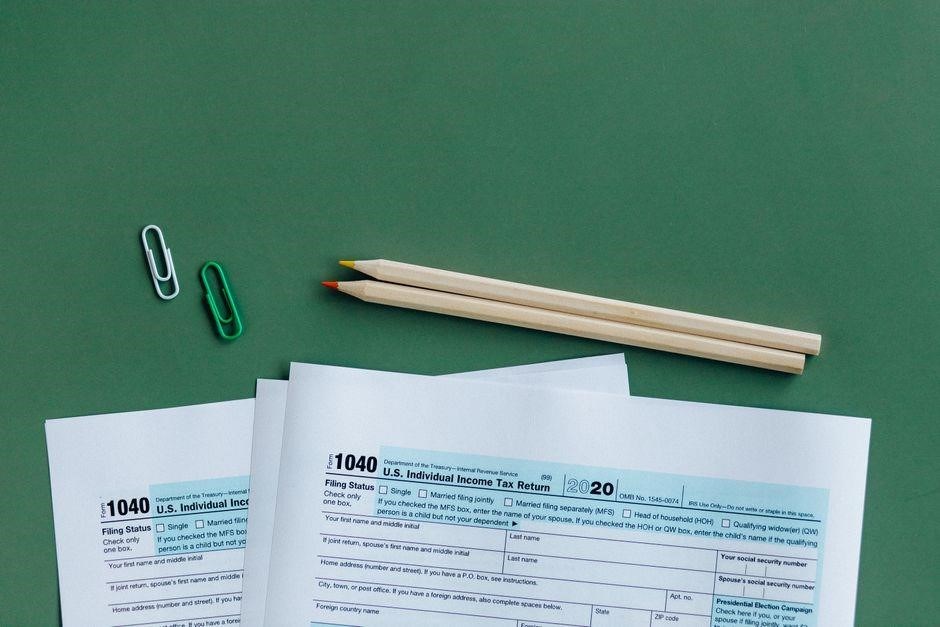
Employers file Form 8027 electronically via IRS e‑Services․ After creating a profile, upload the PDF or use the web form, verify data, and submit․ The system validates entries, provides error alerts, and issues a confirmation receipt․ Keep the confirmation for audit․ Submit withindays to avoid penalties․
Using IRS e‑Services to Submit Form 8027
Employers can file Form 8027 electronically through the IRS e‑Services portal․ First, create or log into an IRS e‑Services account and request the “Form 8027” service․ Once approved, download the latest PDF or use the web‑based form editor․ Enter the required data: gross receipts, charged tips, reported tips, and allocated tips, following the line‑by‑line instructions in the 2026 form․ After completing the form, validate it using the built‑in error checker․ Submit the completed form via the e‑Services upload interface, and print the confirmation receipt for your records․ If the submission is accepted, the system will generate a unique filing reference number․ Keep this number for future correspondence․ In case of errors, the portal will provide a detailed error report; correct the issues and resubmit․ The electronic filing deadline remains the same as the paper filing deadline, typically March 31 for most establishments, but verify the current year’s due date on the IRS website․ Using e‑Services reduces processing time, eliminates paper, and provides instant acknowledgment of receipt․ The portal also provides audit trails, electronic signatures, and the ability to view prior filings․ Employers can schedule reminders, export data, and integrate with payroll systems․ Additionally, the system offers a dashboard that tracks compliance status and alerts for upcoming deadlines․ Users can generate PDF reports for audits and download historical data monthly!!!

Common Errors and How to Avoid Them
Common mistakes include miscalculating allocated tips, omitting tip tables, filing late, and reporting incorrect gross receipts․ Double‑check employee counts, use the IRS tip allocation worksheet, and file electronically via e‑Services to reduce errors․ Verify tip allocation tables match employee reports․!
Typical Mistakes in Tip Allocation and Reporting
Many employers submit Form 8027 with errors that trigger audits and penalties․ The most common mistakes begin with tip allocation․ Employers often calculate allocated tips using the wrong tip‑allocation table or forget to update the table when the number of tip‑eligible employees changes․ Some use a flat percentage that does not reflect the actual tip‑income distribution, leading to under‑or over‑reported allocated tips․ Another frequent error is failing to include all tip‑eligible employees․ Employees who receive tips but are not listed on the allocation table are omitted, which can result in a mismatch between reported tips and the sum of allocated tips․ Misclassifying employees as non‑tip‑eligible when they actually receive tips is also a problem; this misclassification can cause the employer to under‑report tip income and violate the reporting requirement․ In addition, many firms incorrectly calculate gross receipts by excluding certain sales categories, such as catering or delivery, that are subject to tip reporting․ This omission reduces the reported gross receipts and can distort the tip‑allocation calculation․ A common oversight is not attaching the required tip‑allocation schedule or submitting the required schedule in the wrong format․ The IRS requires the schedule to be filed electronically with the form, and paper submissions are no longer accepted․ Finally, some employers submit the form late or fail to file it at all, resulting in penalties for non‑filing․ These errors are often caused by a lack of training, inadequate software, or confusion over the updated instructions for the 2026 filing cycle․ Employers must verify tip tables annually to prevent errors․

Penalties and Compliance Consequences
Failure to file Form 8027 or inaccurate tip reporting can trigger penalties ranging from $50 to $500 per violation, plus interest․ Employers may appeal through the IRS Office of Appeals, submitting evidence and a written request within 30 days of notice․ Prompt compliance reduces risk and penalties up!
Penalty Structure and Appeals Process
Failure to file Form 8027 on time or to report accurate tip data can trigger a tiered penalty schedule․ The IRS imposes a base penalty of $100 per day for each day the return is late, capped at $5,000 per employer for a single filing year․ If the employer fails to provide correct tip amounts, the penalty rises to $200 per day, also capped at $5,000․ In cases of intentional non‑compliance, the penalty can reach up to $5,000 per day, with no cap․ Employers who correct the error promptly may qualify for a “reasonable cause” reduction, which can reduce the penalty by up to 50 %․ To appeal a penalty, the employer must submit a written request to the IRS within 30 days of the penalty notice․ The appeal must include a detailed explanation of the circumstances, supporting documentation, and a proposed corrective plan․ The IRS reviews the appeal and may either uphold, reduce, or dismiss the penalty․ If the penalty is upheld, the employer can request a payment plan or, in rare cases, a hardship waiver․ The appeals process is governed by the Internal Revenue Code § 6402 and the IRS’s own penalty policy statements․ All correspondence should reference the specific Form 8027 filing year and include the employer’s EIN and contact information․ Employers may request abatement if the error was due to a reasonable cause such as a natural disaster․ The IRS requires abatement requests be filed within 60 days and must include a sworn statement and supporting evidence․