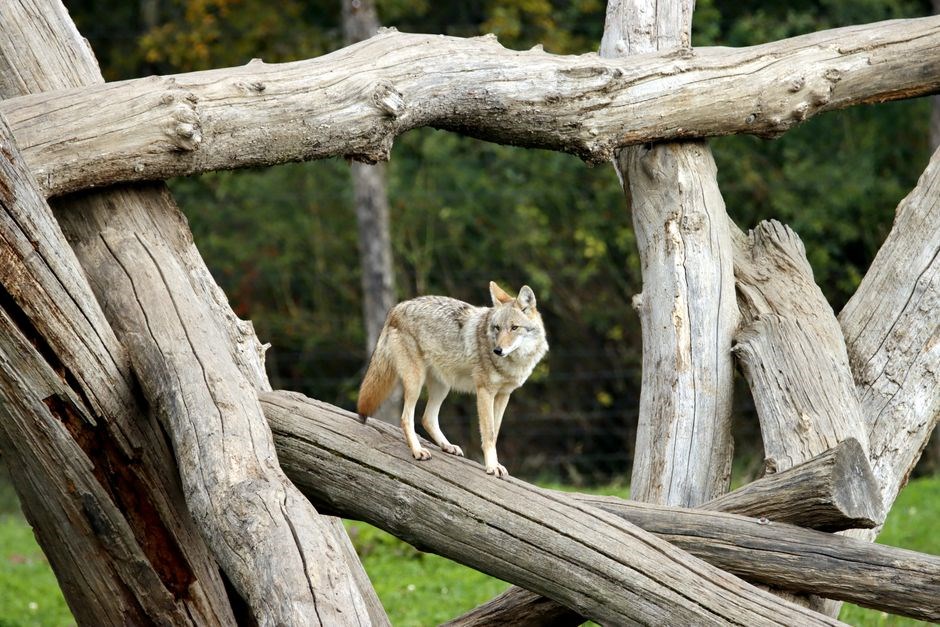
Guided coyote hunts offer a structured‚ ethical way to experience the wilderness while learning from seasoned professionals․ Participants gain insight into local ecosystems‚ refine tracking skills‚ and enjoy responsible wildlife interaction under expert supervision․The guide ensures safety and teaches respect!
Overview of Guided Coyote Hunts
Guided coyote hunts are expeditions led by licensed professionals who combine knowledge of local fauna‚ terrain‚ and legal regulations to offer participants a safe‚ ethically responsible hunting experience․ The guides emphasize patience‚ stealth‚ and respect for wildlife‚ ensuring every action on the trail aligns with conservation principles and hunting statutes․ By engaging with a guide‚ hunters gain access to remote hunting grounds‚ benefit from expertise in navigating terrain‚ identifying safe shooting positions‚ and maintaining situational awareness․ The experience is not only about the hunt itself but also about fostering a deeper connection with the natural world‚ understanding the delicate balance of ecosystems‚ and promoting sustainable hunting practices that support wildlife management and community stewardship․ Whether you are a seasoned hunter or a novice eager to learn tracking and hunting‚ guided coyote hunts provide a comprehensive‚ immersive‚ and way to explore wilderness while contributing to coyote population health! Experience the thrill of the wild now! Learn skills that last a lifetime! Join us for an adventure․ Learn skills that last a lifetime!
The Appeal to Hunters
Guided coyote hunts attract hunters seeking new challenges and beginners eager to learn․ The main draw is the chance to sharpen tracking skills with experts who read scent trails‚ wind direction‚ and optimal shooting spots‚ boosting success rates․ Guides also provide a safety net that addresses remote terrain‚ wildlife encounters‚ and legal compliance‚ letting hunters focus on the chase without uncertainty․ Socially‚ these hunts build camaraderie; participants share stories‚ exchange techniques‚ and form lasting bonds within the hunting community․ The shared experience of navigating rugged landscapes and witnessing predator–prey dynamics creates a sense of belonging beyond the hunt․ Many guides open access to pristine‚ less‑traveled areas‚ offering a chance to explore ecosystems otherwise off‑limits‚ enriching the adventure with ecological discovery․ Hunters appreciate the humane‚ well‑executed kill and the role of coyotes in maintaining biodiversity․ Guides weave conservation education into the trip‚ explaining population dynamics‚ habitat stewardship‚ and responsible harvests․ This holistic view satisfies the desire for excitement while fostering stewardship‚ ensuring future generations can enjoy the same opportunities․ Ultimately‚ skill growth‚ safety‚ community‚ ecological insight‚ and personal fulfillment make guided coyote hunts a compelling choice for outdoor enthusiasts․
Participants often remark that the guided experience instills a deeper respect for the ecosystem‚ as they witness the delicate balance coyotes maintain with other species․ The guides emphasize that responsible harvests help control overpopulation reduce human wildlife conflicts and support ecological health․ Many hunters also enjoy the logistical convenience of preplanned routes‚ nutrition supplies emergency support‚ which enhance the overall experience and allow them to focus fully on the hunt․
They return home with stories and skills․ now!
Preparing for the Hunt
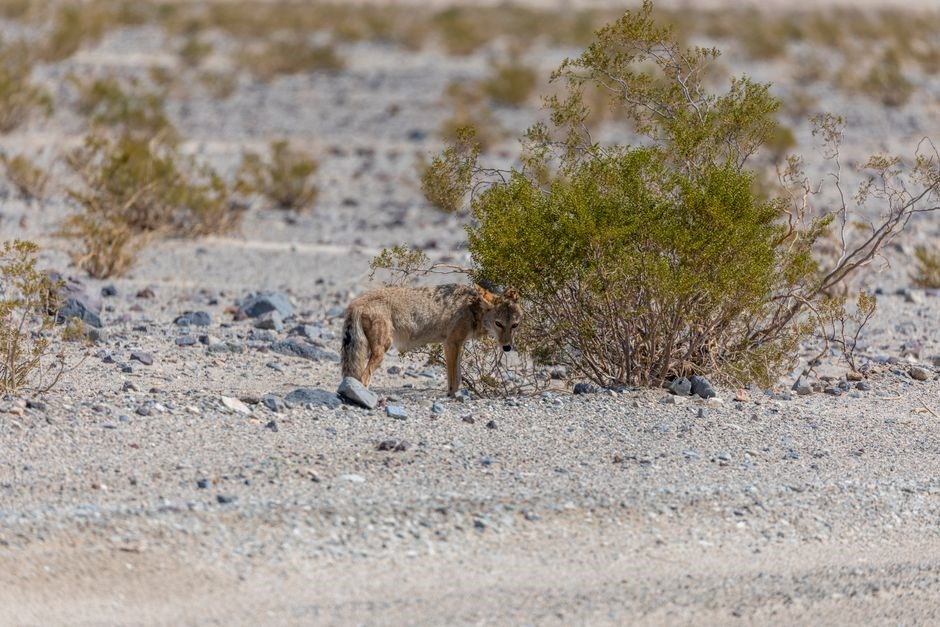
Before the expedition‚ hunters review terrain maps‚ secure permits‚ and confirm guide credentials․ Packing essentials—camouflage gear‚ a reliable firearm‚ binoculars‚ and a first‑aid kit—ensures readiness․ Hydration‚ nutrition‚ a weather‑appropriate outfit complete the preparation․!
Selecting a Certified Guide
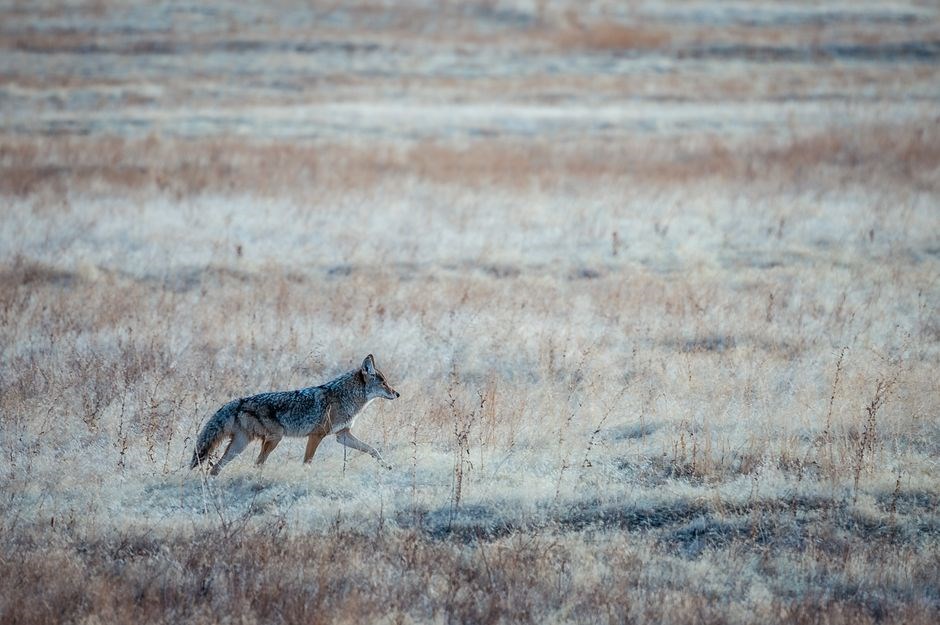
Choosing the right guide for a guided coyote hunt is a decision that blends expertise‚ ethics‚ and personal comfort․ A certified guide should possess a proven track record of successful‚ humane hunts‚ and a deep understanding of local coyote behavior‚ migratory patterns‚ and habitat nuances․ Certification from recognized wildlife or hunting associations guarantees that the guide adheres to strict safety protocols‚ respects wildlife regulations‚ and follows best practices for ethical hunting․ When evaluating potential guides‚ hunters should request references from previous clients‚ review any published results or testimonials‚ and verify that the guide holds current licenses and permits for the specific region․ Many reputable guides also maintain an active presence on professional forums or local hunting clubs‚ where they share insights‚ discuss seasonal trends‚ and contribute to conservation efforts․ In addition to credentials‚ the guide’s communication style and willingness to educate are crucial․ A guide who explains terrain features‚ tracking techniques‚ and coyote scent trails in clear‚ concise terms will enhance the learning experience and build confidence․ Hunters should assess the guide’s equipment‚ ensuring firearms‚ optics‚ and safety gear meet industry standards and maintain proper storage daily․ Finally‚ a good guide prioritizes safety‚ enforces hunting limits‚ and promotes respect for the environment․ By vetting a guide’s qualifications and commitment‚ hunters can embark on a guided coyote hunt that is rewarding and responsible․
Choosing the right guide for a guided coyote hunt is a decision that blends expertise‚ ethics‚ and personal comfort․ A certified guide should possess a proven track record of successful‚ humane hunts‚ and a deep understanding of local coyote behavior‚ migratory patterns‚ and habitat nuances․ Certification from recognized wildlife or hunting associations guarantees that the guide adheres to strict safety protocols‚ respects wildlife regulations‚ and follows best practices for ethical hunting․ When evaluating potential guides‚ hunters should request references from previous clients‚ review any published results or testimonials‚ and verify that the guide holds current licenses and permits for the specific region․ Many reputable guides also maintain an active presence on professional forums or local hunting clubs‚ where they share insights‚ discuss seasonal trends‚ and contribute to conservation efforts․ In addition to credentials‚ the guide’s communication style and willingness to educate are crucial․ A guide who explains terrain features‚ tracking techniques‚ and coyote scent trails in clear‚ concise terms will enhance the learning experience and build confidence․ By vetting a guide’s qualifications and commitment‚ hunters can embark on a guided coyote hunt that is rewarding and responsible․
Understanding Legal Frameworks
Before embarking on a guided coyote hunt‚ hunters must navigate a complex web of federal‚ state‚ and local regulations that govern wildlife management‚ hunting seasons‚ bag limits‚ and licensing requirements․ The U․S․ Fish and Wildlife Service sets national guidelines‚ while each state’s wildlife agency tailors rules to local populations and ecological concerns․ Hunters should verify that the guide holds a valid state hunting license‚ a coyote‑specific permit if required‚ and any special permits for protected areas or migratory corridors․ Many states mandate hunter education courses‚ which cover safety‚ ethics‚ and species identification; completion of these courses is often a prerequisite for license issuance․ Additionally‚ hunters must respect seasonal restrictions: some regions close coyote hunting during breeding or winter months to protect vulnerable packs․ Bag limits vary widely; exceeding them can result in fines or license suspension․ Hunters should also be aware of “no‑take” zones‚ such as wildlife refuges or conservation easements‚ where hunting is prohibited regardless of permits․ Finally‚ it is prudent to review the latest state wildlife management plan‚ which outlines population goals‚ harvest quotas‚ and any emergency closures․ By thoroughly understanding and complying with these legal frameworks‚ hunters uphold conservation goals‚ maintain public trust‚ and ensure a safe‚ lawful hunting experience․ Hunters should also be aware of wildlife protection acts that may impose restrictions on coyote hunting in habitats now!
Compliance involves understanding local ordinances‚ such as curfews on hunting times‚ mandatory use of specific firearms‚ or limits on the number of hunters per party․ Hunters should carry proof of all necessary permits and be prepared for spot checks by enforcement․
During the Hunt
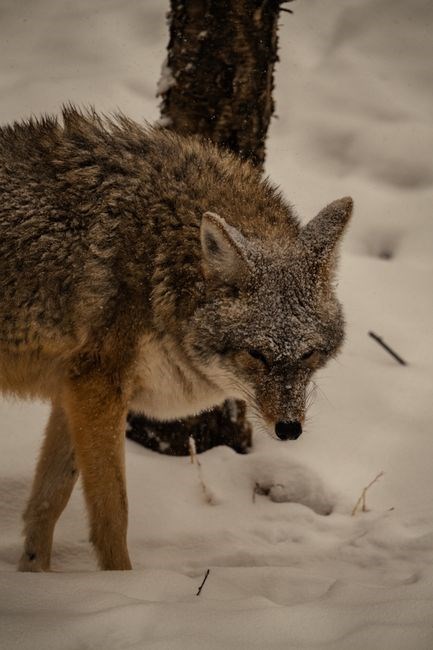
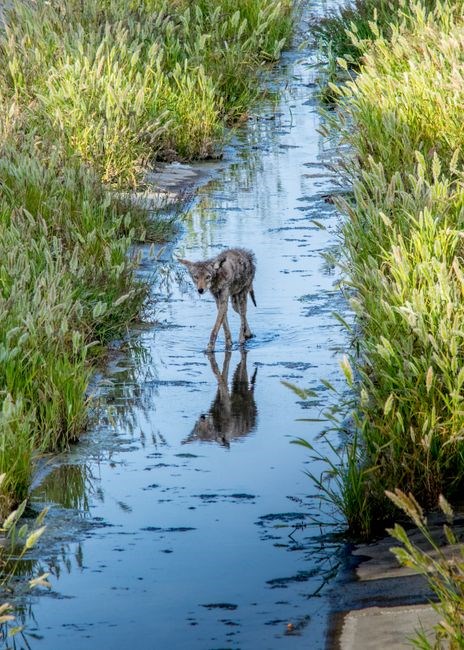
Guided hunts rely on stealth‚ patience‚ and precise communication․ The guide directs movement‚ signals when a scent trail is found‚ and ensures safe distances․ Hunters observe terrain cues‚ listen for rustling‚ and use binoculars to spot coyotes before deciding to engage․ Teamwork and respect for the animal are paramount
Trail Tactics and Tracking
In guided coyote hunts‚ trail tactics begin with a meticulous assessment of the landscape․ Guides analyze elevation changes‚ vegetation density‚ and water sources to predict coyote movement corridors․ By mapping these variables‚ they create a dynamic trail plan that balances stealth with optimal hunting angles․ The first step is to establish a low‑profile approach‚ minimizing noise and visual cues that could alert the target․ By listening to wind patterns‚ hunters can anticipate the coyote’s next move today now․
Once the trail is established‚ the guide instructs hunters to adopt a silent stance‚ using natural cover to blend with the environment․ Footwear with minimal tread and muted colors reduce detection risk․ The guide emphasizes the importance of maintaining a low profile‚ especially when approaching a coyote’s den or feeding area‚ where the animal is most vulnerable yet wary․ By carefully timing movements and using scent masking agents‚ hunters can stay undetected while staying within striking distance of the target․ The guide also reminds hunters to respect the animal’s rhythm for humane hunting․
In the final phase‚ the guide coordinates the approach‚ ensuring that each hunter maintains a safe distance until the coyote is within range․ By using a combination of silent movement‚ controlled breathing‚ and strategic positioning‚ hunters can close in without startling the animal․ The guide emphasizes the importance of a quick‚ decisive shot to minimize suffering and uphold ethical standards․ Stay sharp‚ stay safe․ By maintaining and respecting the coyote’s natural behavior‚ hunters can secure a successful and responsible hunt․!!
Coyote Behavior and Detection
Guided hunts rely on a deep understanding of coyote ecology․ Coyotes are highly adaptable‚ shifting activity patterns between dawn‚ dusk‚ and night to exploit prey availability․ Their keen olfactory system detects scents up to 10 miles away‚ while their acute hearing allows them to locate distant sounds․ Hunters learn to read subtle trail signs: disturbed leaf litter‚ fresh footprints‚ and scent trails that indicate recent movement․ By observing these cues‚ guides can predict the animal’s path and anticipate ambush points․
Detection techniques include the use of infrared cameras and motion‑sensitive sensors positioned along likely travel routes․ These devices capture real‑time data on coyote presence‚ enabling guides to adjust tactics on the fly․ Guides train hunters to remain silent‚ using wind direction to mask their own scent‚ and to adopt a low‑profile stance that blends with the environment․ Proper camouflage clothing and footwear reduce visual and olfactory signatures․
Understanding social structure is crucial: lone individuals often hunt alone‚ while packs coordinate to take larger prey․ Guides explain pack dynamics‚ noting that dominant males may lead the hunt‚ while subordinate members assist in tracking․ Ethical hunting requires respecting the animal’s natural rhythms a humane kill and․
Ethical Hunting Practices
Ethical hunting in guided coyote expeditions prioritizes animal welfare‚ ecological balance‚ and hunter responsibility․ Guides emphasize the importance of a clean‚ humane kill‚ ensuring the animal is dispatched swiftly to minimize suffering․ Hunters are trained to use appropriate calibers and shot placement‚ avoiding overkill and ensuring the animal’s body is intact for processing․ Respect for the ecosystem is paramount; guides instruct hunters to leave no trace‚ properly dispose of waste‚ and avoid damaging vegetation or water sources․ They also promote the use of biodegradable gear to reduce environmental impact․ Hunters are taught to recognize and respect wildlife boundaries‚ avoiding unnecessary disturbance to non-target species․ Ethical hunting also involves adhering to all local regulations‚ securing proper permits‚ and respecting seasonal restrictions․ By fostering a culture of stewardship‚ guided hunts help maintain healthy coyote populations while providing hunters with a meaningful‚ responsible experience․
Education is a cornerstone of ethical hunting; guides conduct workshops that teach hunters about wildlife biology‚ ecosystem dynamics‚ and population control․ They also encourage outreach‚ sharing knowledge with local schools and conservation groups to foster stewardship beyond the hunt․ Hunters learn to assist in monitoring efforts and support habitat restoration projects‚ and the community․ Such collaborative efforts ensure that guided hunts contribute to regional biodiversity‚ balancing human recreation with ecological integrity․
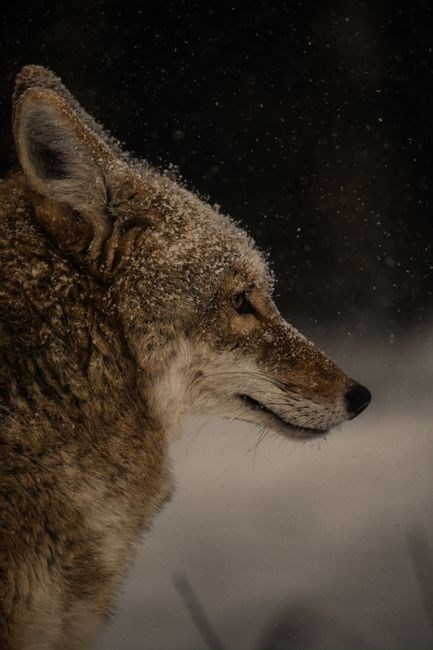
After the Hunt
Field dressing follows strict hygiene protocols‚ with guides showing proper techniques to preserve meat quality․ Processed cuts are shared among participants‚ trimming fat‚ removing sinew‚ and storing portions safely․ Culinary exploration continues with recipes honoring the coyote’s flavor․ and savor the experience
Field Dressing and Processing
Guided coyote hunts emphasize meticulous field dressing to ensure both safety and optimal meat quality․ The process begins with a clean‚ well‑lit work area where the guide demonstrates the importance of a sharp‚ sterilized knife and a clean cutting board․ First‚ the guide shows how to locate the trachea and esophagus‚ making a precise incision that preserves the rib cage and avoids contaminating the meat․ The guide then carefully removes the internal organs‚ placing them in a cooler with ice packs to maintain a safe temperature․ The guide stresses the importance of inspecting the organs for any signs of disease or parasites‚ discarding any questionable tissue to prevent contamination․ After organ removal‚ the guide demonstrates how to split the carcass along the spine‚ exposing the muscle groups․ The guide explains the difference between the tenderloin‚ sirloin‚ and flank‚ and how each can be used for different culinary preparations․ The guide then removes the fat cap‚ trimming excess fat while leaving enough to protect the meat from drying․ The guide shows how to separate the hindquarters‚ allowing for the preparation of smaller cuts that are ideal for quick cooking methods such as grilling or sautéing․ Throughout the process‚ the guide emphasizes the importance of hygiene‚ proper waste disposal‚ and the use of gloves to prevent cross‑contamination․ The guide also offers tips on how to store the processed meat in a refrigerator or freezer‚ noting the ideal temperature ranges and how to label each cut for future use․ In addition‚ the guide discusses how to handle any leftover parts‚ such as the head and hooves‚ which can be used for stock or pet food․ The guide also demonstrates how to properly clean and sanitize all equipment after the dressing is complete‚ ensuring that the next hunt can begin with a clean slate․ By following these steps‚ participants learn how to transform a freshly harvested coyote into a safe‚ high‑quality product that can be enjoyed in a variety of dishes‚ while also respecting the animal and the environment!
After the dressing‚ the guide explains how to package the meat in vacuum‑sealed bags or zip‑lock containers‚ minimizing air exposure․ They cover labeling each package with date‚ cut‚ and weight for inventory and meal planning․ The guide then shows how to create a quick‑cook plan‚ suggesting marination times and seasoning blends that enhance flavor while keeping the meat tender․ By the end‚ participants gain a clear understanding of dressing‚ processing‚ and storage that honors the hunt!!
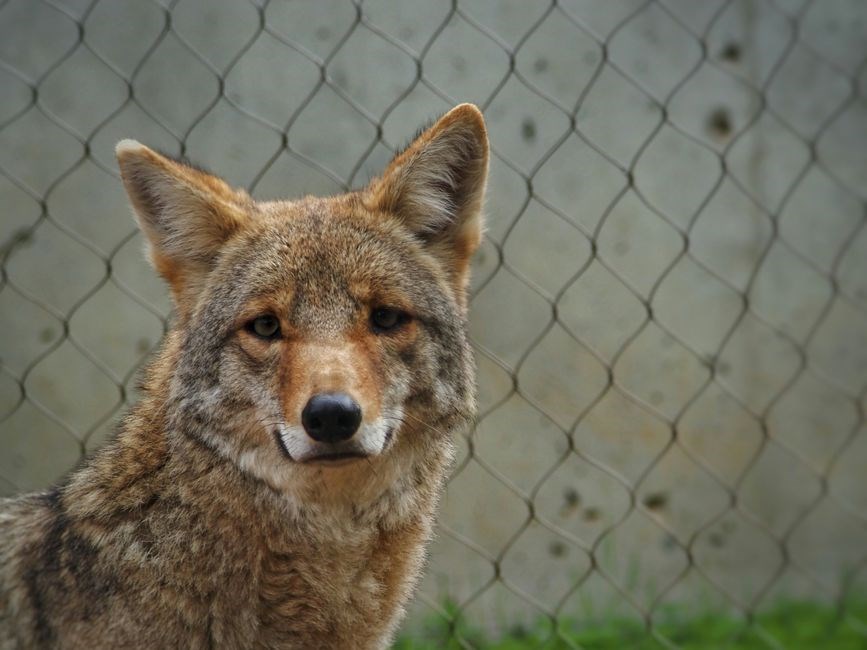
Culinary Uses and Recipes
Coyote meat‚ described as lean and gamey‚ offers a versatile canvas for dishes that honor its natural flavor․ Marinating first helps tenderize fibers and infuse aromatics․ A blend of olive oil‚ minced garlic‚ rosemary‚ and red wine creates a robust base that pairs well with coyote’s undertones․
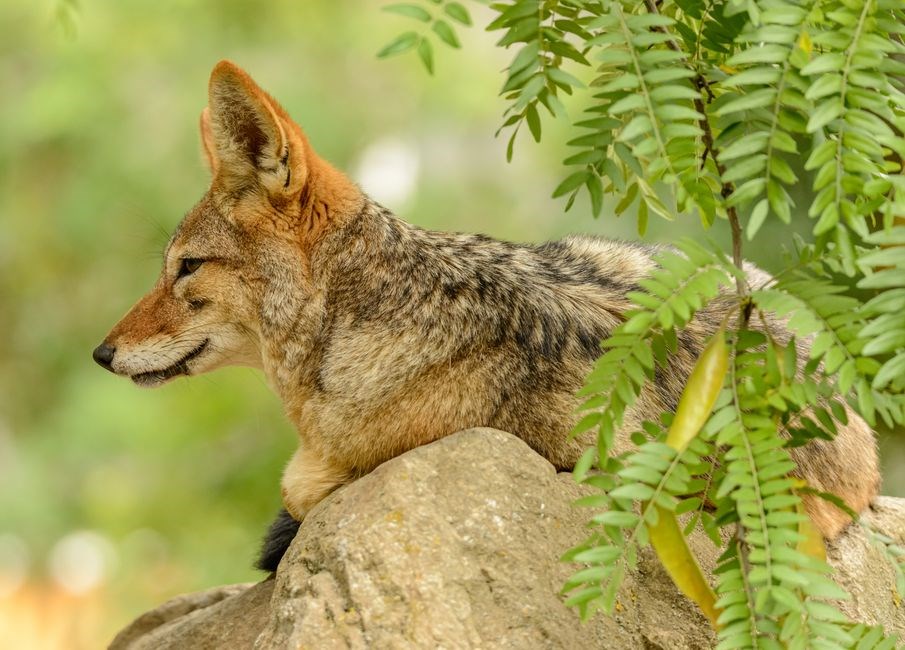
For a hearty stew‚ cube the meat and brown it in a heavy pot․ Add carrots‚ celery‚ onions‚ then pour beef broth and bay leaves․ Simmer 45 minutes until tender․ Finish with Worcestershire sauce for depth․
Grilled coyote is lighter․ Season with salt‚ pepper‚ smoked paprika․ Grill 3–4 minutes per side to 160°F․ Serve with roasted sweet potatoes and a green salad․
Jerky is a protein snack․ Slice thin‚ marinate in soy sauce‚ brown sugar‚ liquid smoke․ Dry in low‑temp oven or dehydrator until crisp․ Store airtight for portability․
Ground mince works for burgers or tacos․ Blend with onions‚ cilantro‚ lime․ Form patties or spoon onto tortillas‚ topping with lettuce‚ tomatoes‚ sour cream․
For long‑term storage‚ smoke over hickory or mesquite for 2–3 hours‚ then vacuum seal․ Alternatively‚ cure with salt‚ pepper‚ juniper berries․ Store in cool pantry or fridge up to two weeks; freeze portions for longer․
Pair with a medium‑body red wine like Pinot Noir or Syrah‚ or a chilled amber ale․ Non‑alcoholic options include cucumber‑infused sparkling water or herbal iced tea․
Nutrition-wise‚ coyote is lean protein—about 20 g per 3‑oz serving—low in fat‚ rich in iron‚ zinc‚ B12․ Traditional recipes honor cultural heritage‚ often slow‑cooked with root vegetables to respect the animal and community values alike!!!
Conservation Considerations
Guided coyote hunts‚ when conducted responsibly‚ can contribute positively to wildlife management and local ecosystems․ By collaborating with certified wildlife biologists‚ hunters help maintain balanced predator populations‚ preventing over‑growth of prey species that can damage vegetation and agriculture․ Data collected during hunts—such as age‚ sex‚ weight‚ and health assessments—feed into population models that inform future conservation policies agencies
Ethical harvest limits are crucial․ Hunters must adhere to seasonal restrictions and bag limits set by state wildlife agencies‚ ensuring that coyote numbers remain sustainable․ When a coyote is taken‚ the hunter should aim for a clean‚ humane kill‚ minimizing suffering and maximizing the use of every part of the animal․ Field dressing promptly reduces the risk of spoilage‚ allowing the meat to be processed for consumption or donated to local food banks․
Habitat protection is another key element․ Guides often educate participants on preserving riparian corridors‚ controlling invasive plant species‚ and maintaining natural water flow․ By promoting habitat stewardship‚ guided hunts encourage a holistic approach that benefits not only coyotes but also other native fauna․
Community engagement is vital․ Hunters can share their experiences with local schools and community groups‚ fostering a deeper appreciation for wildlife and the importance of sustainable hunting practices․ Educational outreach helps dispel myths about coyotes‚ emphasizing their role in controlling rodent populations and maintaining ecological balance․
Finally‚ transparency in reporting harvest data to wildlife agencies supports adaptive management strategies․ Accurate records enable scientists to track population trends‚ assess the impact of hunting‚ and adjust regulations as needed․ In this way‚ guided coyote hunts become a tool for conservation‚ education‚ and responsible stewardship of the natural world․